
 – INFORMATION
Serbia
Serbia is a country located in Southeastern Europe, in the Balkans. It has an area of 88,361 km² and is landlocked, but the presence of the Danube River provides a vital waterway connecting Central Europe and the Black Sea.
Serbia’s population, as of 2023, is around 6.7 million, declining due to a continuous demographic decrease. The capital, Belgrade, is the country’s largest and most important city, with approximately 1.6 million inhabitants, serving as the economic, cultural, and political hub. Other significant cities include Novi Sad (about 277,000 inhabitants), the cultural center of Vojvodina, and Niš (about 183,000 inhabitants), an important transport and historic center.
Economic Situation
In 2023, Serbia’s GDP is estimated at around 67 billion dollars, with a growth rate of +2.5% from the previous year. The GDP per capita is around 9,700 dollars, reflecting moderate economic growth. The services sector accounts for about 60% of GDP, followed by industry (24%) and agriculture (16%).
Serbia has historically run a trade deficit. Exports in 2023 reached 25 billion dollars, growing by +5%, while imports amounted to 36 billion dollars. Serbia’s main trading partners are the European Union (mainly Germany and Italy), China, and Russia.
Inflation reached 12% in 2023, driven by rising consumer goods and energy prices, worsened by the war in Ukraine. Unemployment is at 9.5%, with a worrying youth unemployment rate of nearly 25%.
Economic Outlook
For 2024, a modest economic growth of around +2.8% is expected, while inflation could stabilize at around 6-7%, depending on energy prices and global economic stability. Serbia will continue to benefit from infrastructure investments, particularly through Chinese financing and cooperation projects with the EU.
Foreign Direct Investments (FDI)
FDI has seen a significant increase, reaching 4.5 billion dollars in 2023, primarily due to Chinese investments in infrastructure and energy, and joint ventures with European and Russian partners. Key sectors for foreign investors include renewable energy, telecommunications, and the automotive industry.
Geopolitical Analysis
Role in the Balkan Region
Serbia occupies a central position in the Balkans, profoundly influencing the region’s stability. The country maintains a delicate balance between the European Union, Russia, and China. Despite progress toward European integration, with EU candidate status since 2012, relations with Brussels are often strained due to the Kosovo issue, which Serbia does not recognize as independent. Serbia aims to become an energy and transport hub in the Balkans, leveraging its strategic location and infrastructure connecting Western Europe with the Middle East and Asia.
Relations with the European Union
Serbia’s stated goal is EU membership, but progress is hindered by political disputes, including the normalization of relations with Kosovo and meeting democratic and rule-of-law standards required by Brussels. Nevertheless, the EU remains Serbia’s main trading partner and donor, with a strong presence of EU-funded projects through pre-accession funds. The EU-mandated reforms are a domestic political challenge, where Serbian nationalism and Russian influence limit support for faster integration.
Relations with Russia and China
Serbia maintains strong historical and cultural ties with Russia, particularly for energy issues and Moscow’s diplomatic support on the Kosovo issue. Russia is one of Serbia’s main suppliers of natural gas, and military cooperation between the two countries is growing, even though Belgrade officially maintains a position of neutrality. China is increasingly present in Serbia, with infrastructure investments under the Belt and Road Initiative. The Serbian government has attracted significant Chinese investments in transport and industry projects, including the modernization of the Belgrade-Budapest railway line and acquisitions of strategic industrial facilities.
Relations with Kosovo
The Kosovo issue is one of the main obstacles to Serbia’s European integration and a focal point of the country’s internal and foreign policy. Relations between Belgrade and Pristina are mediated by the EU through the “Brussels Dialogue,” but despite some partial agreements, tensions remain high, and recognition of Kosovo by Serbia seems distant.
Defense and Security Policy
Serbia has a policy of military neutrality but continues to cooperate with NATO through the “Partnership for Peace” program. The country’s strategic position makes it a crucial player for regional stability, particularly concerning migration routes and drug trafficking towards Western Europe.
– OUR AMBASSADORS
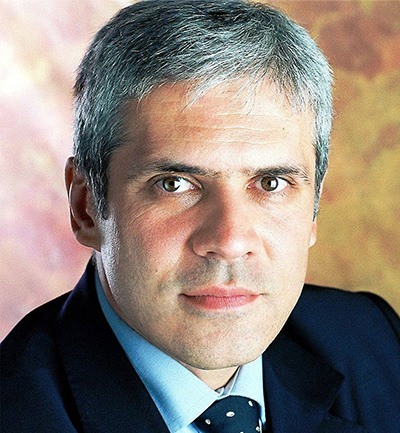
Boris Tadić
Representative in Serbia – Belgrade
– LET’S STAY TOUCH
Contact us
Contact us using the form on this page.
We will be happy to provide you with all the information you need.