
 – INFORMATION
Poland
Poland is located in Central Europe and shares borders with Germany to the west, the Czech Republic and Slovakia to the south, Ukraine and Belarus to the east, and Lithuania and the Baltic Sea to the north. With an area of 312,696 km², it is the ninth-largest country in Europe. The capital is Warsaw, with a population of 1.8 million, while the metropolitan area exceeds 3 million people. Other major cities include Kraków (780,000 inhabitants), Łódź (670,000), and Wrocław (640,000).
Economic Outlook
In 2023, Poland’s GDP was estimated at €700 billion, with a projected growth of +4.0% compared to the previous year. The GDP per capita stands at €18,500, making Poland one of the fastest-growing economies within the European Union.
Foreign Trade
Poland’s FOB exports in 2023 reached €300 billion, while CIF imports totaled €310 billion, resulting in a slight trade deficit of around €10 billion. Exports grew by +5.2% compared to the previous year, with Germany, the Czech Republic, and France as the main trading partners. Key sectors include machinery, vehicles, and chemical products.
Employment and Income
As of December 2023, Poland’s unemployment rate was 5.1%, one of the lowest in the EU. Youth unemployment stood at around 10%, indicating challenges for young people in the job market. The average gross monthly salary in 2023 was €1,400, with the minimum wage set at €750. Inflation in 2023 reached +8.5%, driven mainly by rising energy and food prices. Poland’s public debt stood at 52% of GDP, one of the lowest among major European economies.
Foreign Direct Investment
In 2022, foreign direct investment (FDI) amounted to approximately €22 billion, with key sectors including manufacturing and information technology. Major investors include Germany, the United States, and the Netherlands. Poland is considered an attractive hub for tech and manufacturing companies due to its skilled workforce and relatively low costs.
Forecasts
Economic forecasts for 2024 indicate GDP growth of +3.8%, driven by domestic demand and EU funds. Inflation is expected to decline to +5.0%, thanks to the stabilization of energy and food prices, while the unemployment rate is projected to remain stable at around 5%.
Geopolitical Analysis
Role in the European Union
Poland is a key EU member, particularly due to its geographical position and growing economy. Warsaw is a strong advocate for strengthening the Single Market and collective European security. However, Poland has occasionally had tense relations with Brussels, especially regarding the rule of law and human rights issues. Despite this, the country benefits significantly from EU structural funds, which support infrastructure and innovation projects.
Transatlantic Relations and NATO
Poland is an active NATO member and has reinforced its role as the eastern pillar of the Alliance, with U.S. troops stationed in the country as part of deterrence measures against Russia. Poland spends 2.5% of its GDP on defense, one of the highest levels within NATO, and continues to acquire advanced weaponry, primarily from the United States. Russia’s invasion of Ukraine has heightened Poland’s strategic importance, as it serves as a logistical and political hub for Western support to Ukraine.
Relations with Ukraine and Russia
The war in Ukraine has strengthened ties between Warsaw and Kyiv, with Poland being one of the first European nations to strongly support Ukrainian independence and provide military and humanitarian aid. On the other hand, relations with Russia are at an all-time low, as Warsaw perceives Moscow as a direct threat to its security.
Relations with China
In recent years, Poland has balanced its relations with China, participating in the Belt and Road Initiative (BRI) while maintaining close cooperation with the United States and NATO. Chinese investments, particularly in infrastructure, are met with caution due to growing concerns over national security implications.
Energy Policy and Security
Energy independence is a strategic priority for Poland, which has launched a plan to reduce its reliance on Russian energy sources by investing in liquefied natural gas (LNG) projects and the nuclear sector. The country is also a strong supporter of the European Green Deal, although it faces significant challenges due to its dependence on coal, which still constitutes a large part of its energy mix.
– OUR AMBASSADORS
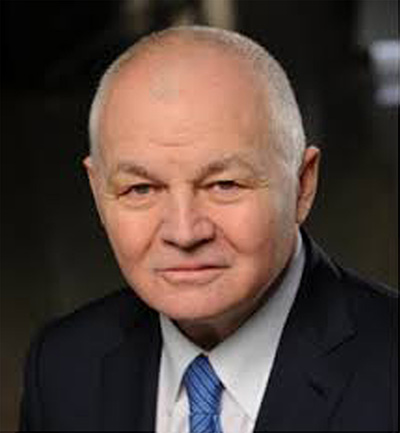
Jan Bielecki
Representative in Varsavia-Polonia
– LET’S STAY TOUCH
Contact us
Contact us using the form on this page.
We will be happy to provide you with all the information you need.